

Handmade Rugs: Why Hand Knotted Rugs Are a Luxury Investment
Welcome to this week’s dive into the world of artisanal luxury, where craftsmanship meets timeless elegance. If you’ve ever found yourself drawn to the rich textures and intricate patterns of handmade rugs, you’re in good company. Today, we’re unraveling the story behind one of the most exquisite types of floor coverings—hand knotted rugs—and why investing in one is more than just buying a beautiful home accessory; it’s securing a piece of heritage and artistry that truly stands the test of time.
Hand knotted rugs are often seen as the pinnacle of rug-making tradition, steeped in history, culture, and technical mastery. We’ll explore what makes these rugs so special, how they differ from other types, and why their value goes far beyond aesthetics. If you’re considering a statement piece for your living space or intrigued by the world of handcrafted luxury, this post is for you.
What Exactly Is a Hand Knotted Rug?
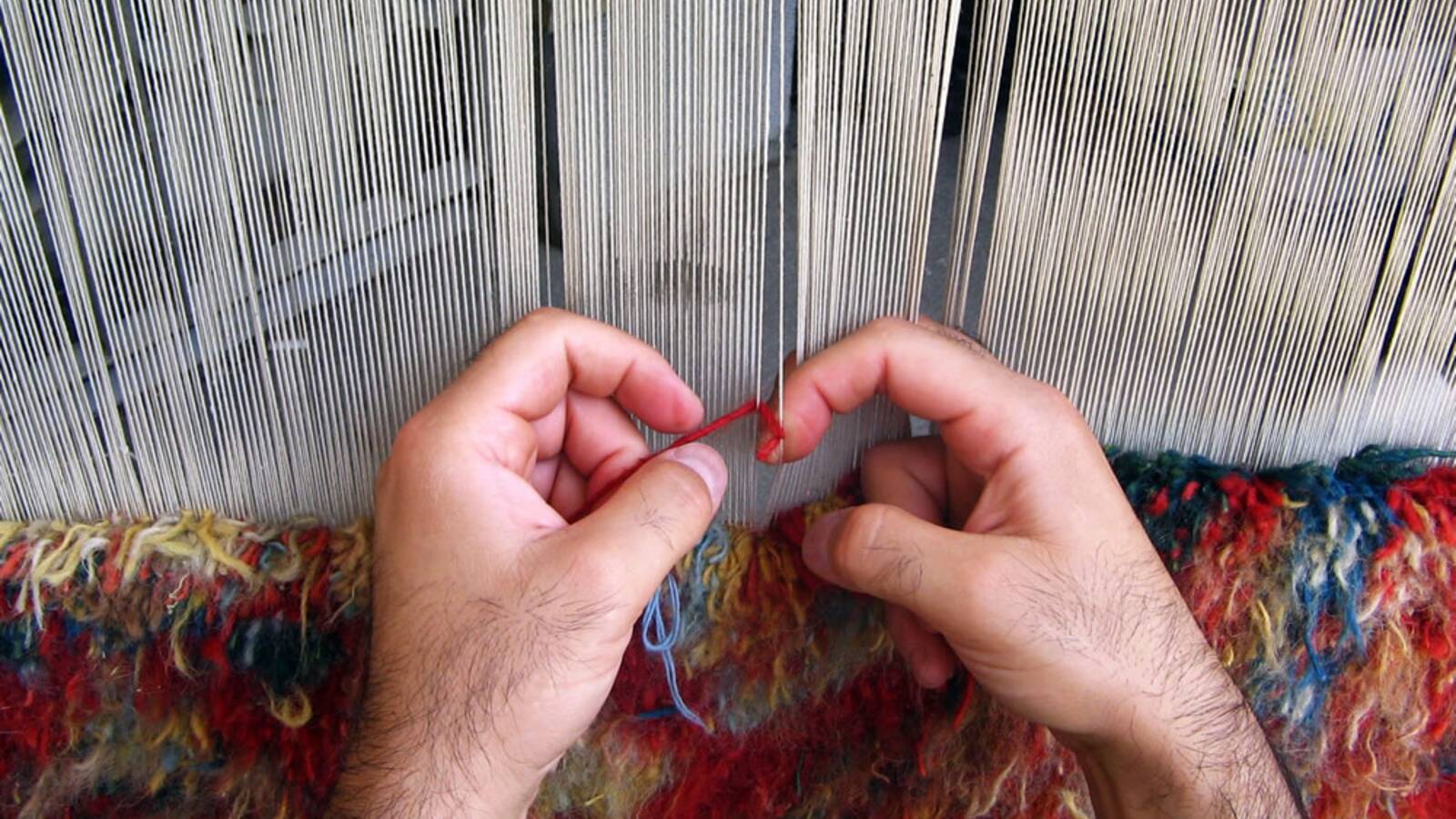
At its core, a hand knotted rug is a work of patience and precision. Unlike machine-made or tufted rugs, each knot is tied individually by skilled artisans, often using centuries-old techniques passed down through generations. This meticulous process can take months, even years, for a single rug, depending on its size and complexity.
The knots themselves are tiny bundles of yarn, tied tightly around the vertical threads of the rug’s foundation. The density of knots, often referred to as knots per square inch (KPSI), is a good indicator of quality. Higher KPSI means a finer, more detailed design and greater durability. Imagine each knot like a pixel in a digital image—more pixels mean sharper, more intricate visuals.
Artistry and Heritage Woven In
One of the most captivating aspects of hand knotted rugs is their cultural depth. These rugs come from regions celebrated for their textile traditions—Persia (modern-day Iran), Turkey, Afghanistan, India, and parts of Central Asia. Each area boasts distinctive motifs, color palettes, and weaving techniques that tell stories about their history and environment.
Owning a hand knotted rug is like having a tangible cultural artifact under your feet. These are not just decorative items; they are expressions of the weaver’s identity, skill, and creativity. In fact, many of these traditional designs have symbolic meanings, reflecting nature, mythology, or tribal narratives. When you choose a hand knotted rug, you bring a slice of this rich heritage into your home.
Why Hand Knotted Rugs Are a True Luxury Investment
Luxury isn’t just about expense—it’s about value, durability, and emotional resonance. Hand knotted rugs check all these boxes:
-
Exceptional Longevity: Unlike machine-made rugs that may wear out after a few years, hand knotted rugs can last for centuries if cared for properly. Many antique rugs are still beautiful centerpieces today, having survived hundreds of years.
-
Unique Craftsmanship: No two hand knotted rugs are identical. The slight variations in knots and colors contribute to the rug’s individuality, much like a fingerprint. This uniqueness can’t be replicated by mass production.
-
Increasing Value Over Time: Because of their rarity and demand, quality hand knotted rugs often appreciate in value, making them a wise financial as well as aesthetic investment.
-
Eco-Friendly and Ethical Production: These rugs are usually made with natural materials—wool, silk, cotton—and rely on traditional, manual processes rather than factories, making them a more sustainable choice.
-
Timeless Appeal: Their intricate designs transcend fleeting trends, fitting effortlessly into both classic and contemporary interiors.
Practical Tips When Investing in a Hand Knotted Rug
If the idea of owning a hand knotted rug excites you but also feels a bit daunting, here are some quick pointers to keep in mind:
-
Know Your Materials: Wool is the most common and durable, offering softness and resilience. Silk rugs are more delicate and often more expensive but have a luminous sheen that’s hard to beat.
-
Check Knot Density: Higher KPSI generally means a finer, more valuable rug. As a rule of thumb, anything above 120 KPSI is considered quite detailed.
-
Inspect the Back: The design should be clearly visible on the back, demonstrating that it’s truly hand knotted rather than machine-made or hand tufted.
-
Understand the Source: Rugs from certain regions, like Persian or Turkish, usually command higher prices because of their established reputation and craftsmanship standards.
-
Consider Size and Placement: Larger rugs will naturally cost more, but think about the size of the space and how the pattern will balance with your existing decor.
Care and Longevity: Love Your Rug the Right Way
Owning a hand knotted rug is like having a living heirloom—it deserves respect and gentle care. Regular vacuuming (without beater bars), rotating the rug to even out wear, and avoiding excessive direct sunlight will help preserve colors and fibers. When spills happen, prompt cleaning with gentle products can prevent stains. And professional cleaning every few years can restore its original luster without damaging the delicate knots.
With these rituals, your rug won’t just survive—it will thrive, growing more beautiful as it ages, becoming a treasured family artifact handed down through generations.
Final Thoughts: More Than Just a Decoration
Investing in a hand knotted rug is really investing in a story, a legacy, and a piece of artistry that transforms a space. The tactile richness and intricate patterns bring warmth and character that no manufactured product can match. Beyond their beauty and practicality, these rugs connect us to the hands and hearts of artisans who pour time, skill, and tradition into every knot.
So, whether you’re redecorating a room or starting a lifelong collection, hand knotted rugs offer far more than meets the eye—they’re a luxury investment for the mind, soul, and home. Keep an eye out for next week’s post, where we’ll explore how to blend vintage rugs with modern interiors for a sophisticated yet cozy aesthetic.
Thanks for reading and being part of this journey into authentic craftsmanship. Here’s to making spaces that tell stories—one knot at a time.
